14 Tools You Need to Run Lead Generation at Scale in 2026

Running lead generation campaigns at volume required a team of 5 to 10 people. A media buyer. A designer. A funnel builder. A data analyst. Someone to manage the phones. Someone to handle reach-outs and email follow-ups. And a manager to monitor and keep all of it from falling apart.
In 2026, one person with the right tools can do what that entire team did. Not because lead generation got easier. What changed is that the tools got dramatically better. AI handles creative production. Automation handles campaign management. Platforms handle tracking, routing, and distribution.
This guide covers the 14 tools that make up a complete, working lead generation stack in 2026 for a solopreneur or small team running paid Meta campaigns at real volume.These aren't abstract recommendations. They're the tools that actually do the work.
Quick Reference: All 14 Tools by Category
Let's go through each one.
Traffic: Meta Ads
Everything starts with traffic. And for lead generation in 2026, Meta Ads is still where most of the volume lives.
Between Facebook and Instagram, you're looking at over 3 billion monthly active users. The targeting capabilities (even with Advantage+ doing most of the work now) are strong for lead gen verticals like insurance, legal, home services, education, and finance. Lead form ads reduce friction by keeping the user on Meta's platform. Website conversion campaigns let you send traffic to custom funnels where you control the experience.
The costs have gone up about 21% from the previous year, based on thousands of accounts we've analyzed. But the volume and targeting quality still make Meta the primary traffic source for most lead gen operations.
For a detailed breakdown of how to structure Meta campaigns for lead gen, see our campaign structure best practices guide. And if your Meta Ads aren't converting, our guide on why Meta Ads stop working walks through the 7 most common bottlenecks.
Competitive Research: Meta Ad Library + Adplexity
Before spending a dollar on traffic, you need to know what's working in your vertical. What angles are competitors using? What landing pages? What offers?
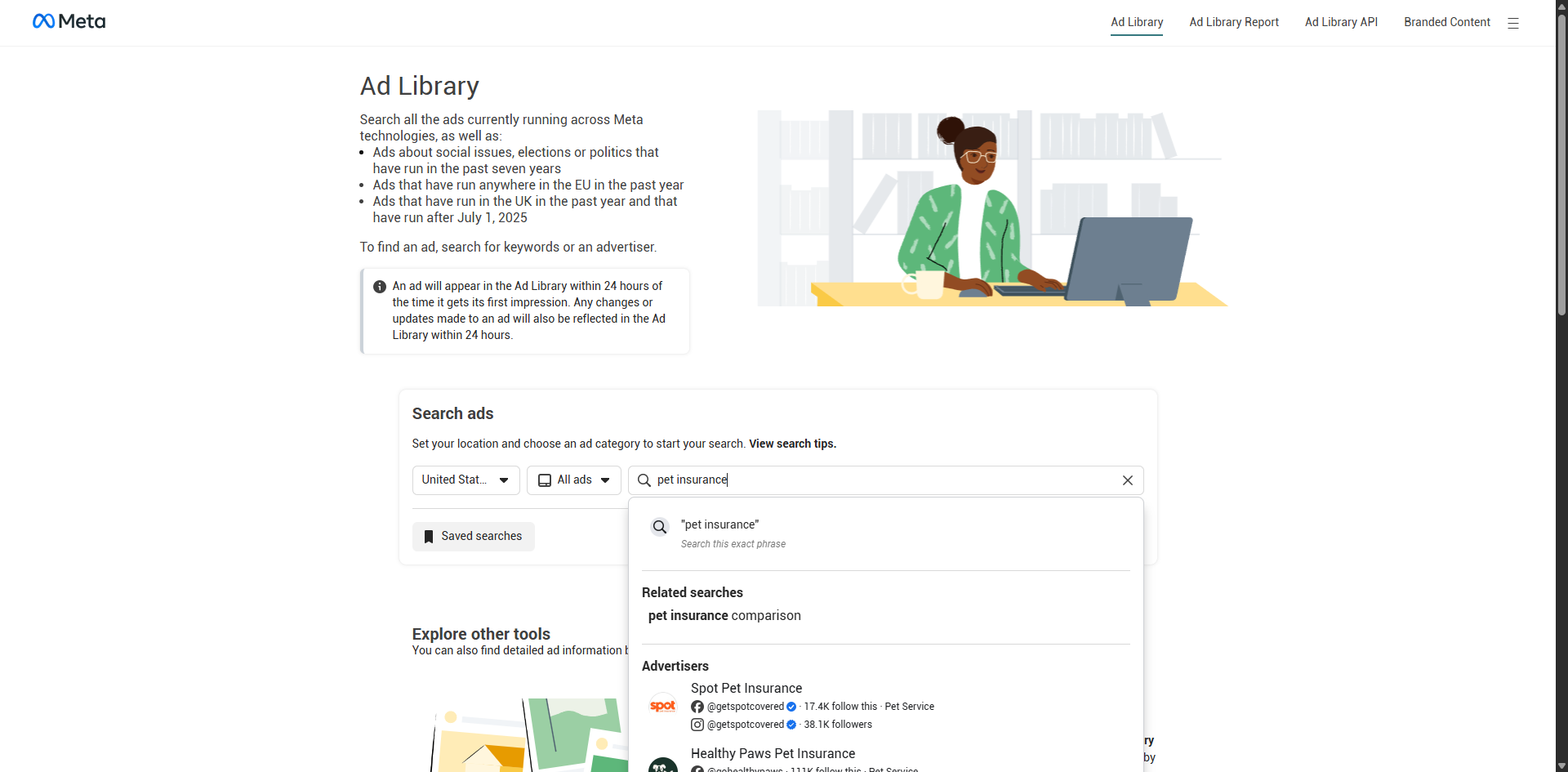
Meta Ad Library is free and gives you access to every active ad running on Meta's platforms. Search by advertiser name, keyword, or category. Filter by country, platform, and media type. You can see the creative, the copy, when the ad started running, and on which platforms it's active. If an ad has been running for 60+ days, it's probably profitable. Study it.
The limitation is that Ad Library only shows you what's running right now on Meta. It doesn't tell you for how long the ads have been running, what landing pages they are leading to, and more importantly, how they are actually monetized.
Adplexity fills that gap. It's a paid competitive intelligence tool that does a deeper dive into Meta ads. It captures the full funnel: the ad creative, the landing page, and the offer behind it. You can filter by vertical, country, traffic source, and sort by duration (longer running = likely profitable).
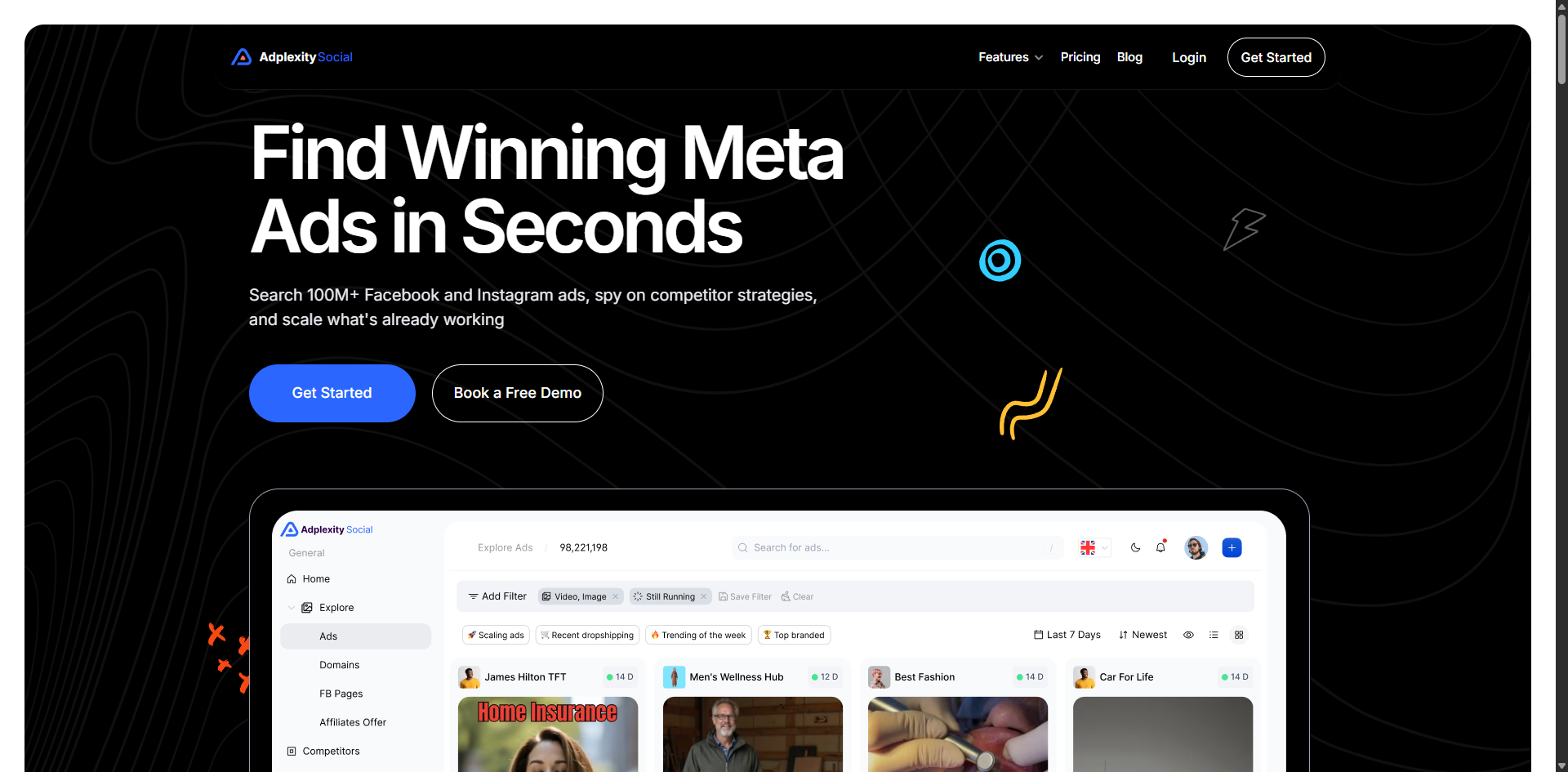
Adplexity's native ads solution is especially useful because many lead gen campaigns still run on native traffic sources alongside Meta. Seeing what funnels work on Taboola can give you ideas for Meta campaigns and vice versa.
How I use both together: I start with Meta Ad Library to see what direct competitors are running. Then I use Adplexity to find the broader angles and funnel structures that are working across all traffic sources in my vertical. The combination gives you a much wider creative and strategic view than either tool alone.
Tracking: ClickFlare
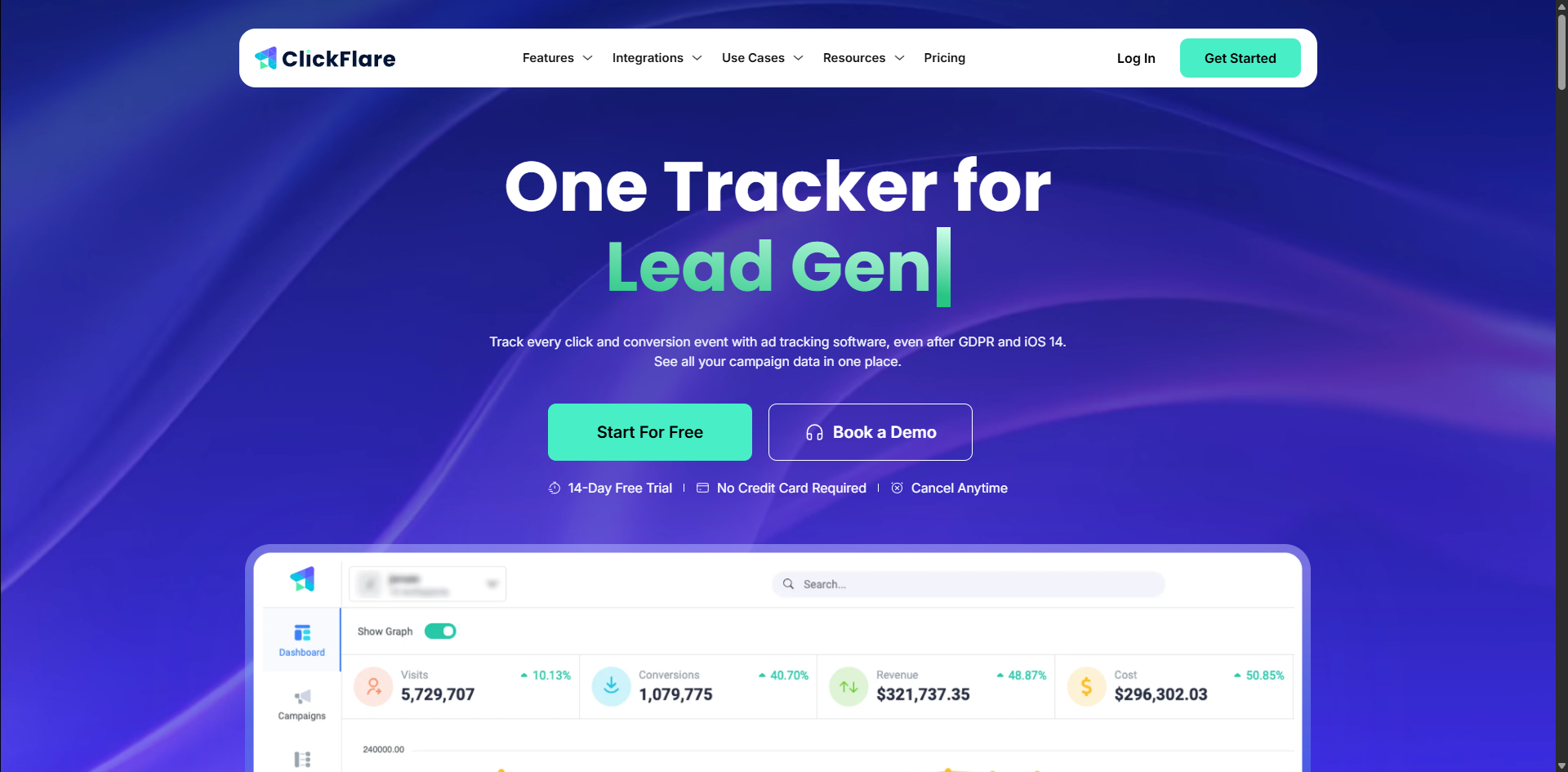
If you're running lead gen at any real volume, you need a tracker. Meta's reporting is useful for in-platform optimization, but it doesn't tell you the full story. You need to know which click generated which lead, what that lead was worth, and which campaigns are actually profitable once you factor in lead quality and downstream conversion.ClickFlare is the tracker I recommend for lead gen in 2026. It handles click tracking, conversion tracking, Conversions API integration (so your Meta campaigns get proper signal data), and cross-channel reporting from a single dashboard.What makes ClickFlare particularly good for lead gen:
- Server-to-server conversion tracking that doesn't rely on cookies. Your conversion data stays accurate even with iOS restrictions and ad blockers.
- Multiple event tracking. Perfect for tracking raw vs. sold leads or multiple conversion events from a single lead.
- Conversions API integration so Meta receives clean conversion signals, which directly improves your campaign delivery and optimization.
- Real-time reporting that shows you what's converting right now, not what Meta thinks converted 3 days ago.
For lead gen campaigns where the revenue per lead varies (some leads close, some don't), having accurate conversion data is everything. Our article on optimizing Meta Ads using tracker data covers why Meta's reported numbers often don't match reality and how to build automation rules based on confirmed revenue instead.
Landing Pages: Landerlab
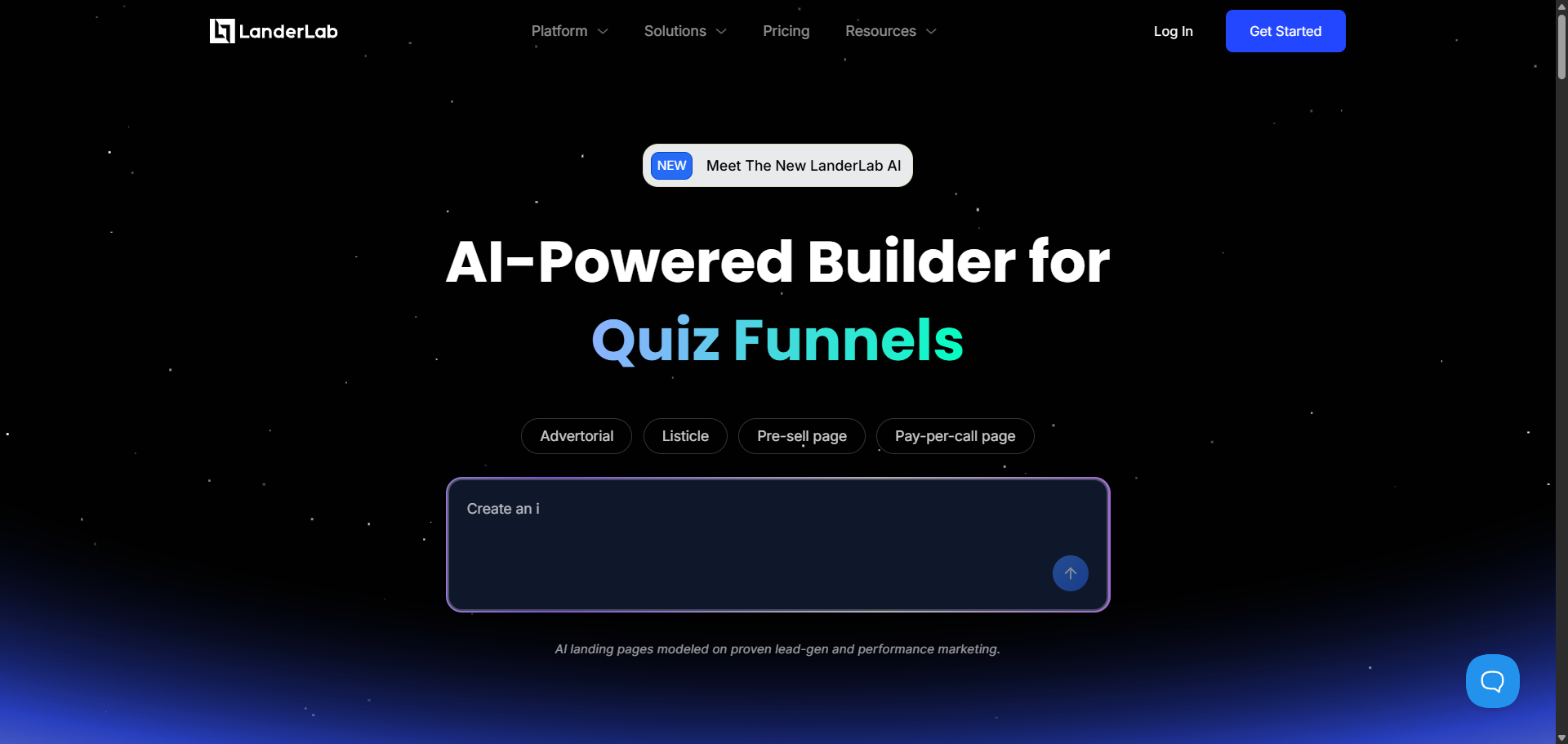
Your landing page is where leads are won or lost. A great ad that sends traffic to a slow, ugly, or confusing page is just wasting money.Landerlab is purpose-built for performance marketers running lead gen funnels. It's not a generic website builder. It's a tool designed specifically for creating, hosting, and managing the kind of multi-step lead generation pages that actually convert.What makes it worth using:
- AI-powered Landing page and Quiz funnel building. Gives you the power to create highly optimized, ready-to-deploy pages from a simple prompt.
- Fast page loads. Landerlab hosts your pages on a CDN, so they load quickly everywhere. Page speed directly affects your conversion rate and your Meta quality score.
- Built-in A/B testing. Split test different headlines, form layouts, and page designs without needing a separate testing tool.
- Multi-step funnels. Build multi-page qualification flows (zip code > name > email > phone) that pre-qualify leads before they hit your CRM.
- Easy cloning and iteration. See a competitor's funnel that works? Clone your current page, make changes, and test the new version in minutes.
- Custom domains and SSL. Run your funnels on branded domains with SSL included.
For lead gen specifically, the multi-step funnel capability is the key feature. Single-page forms work for simple offers, but for verticals like insurance, legal, and home services, a multi-step qualification flow consistently outperforms single-page forms by 30 to 50% in testing across accounts I've managed.
Campaign Management: TheOptimizer
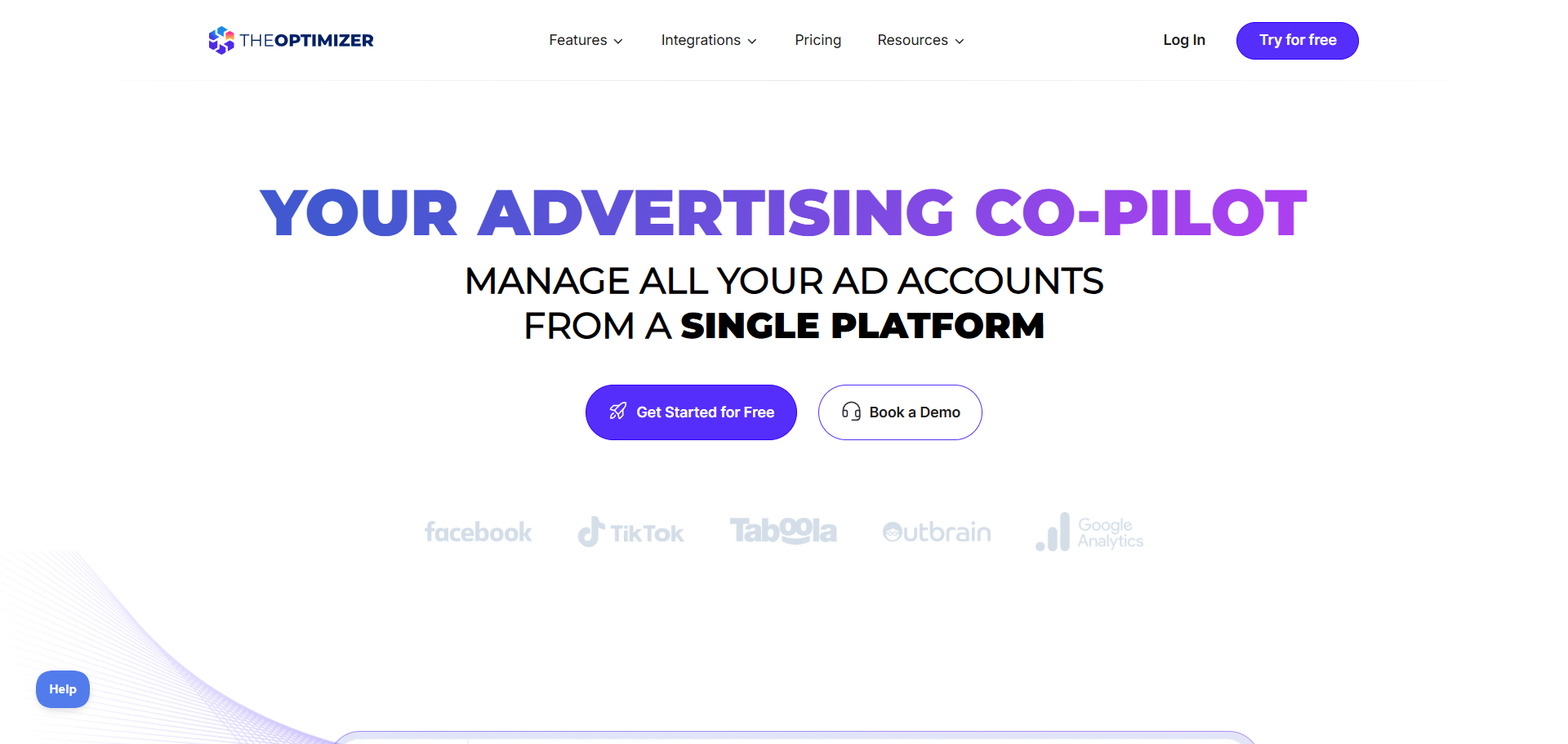
Here's where everything comes together operationally.
When you're running 20, 50, or 100+ campaigns across multiple ad accounts, managing them manually is a full-time job. Checking every campaign, adjusting budgets, pausing losers, scaling winners, detecting fatigued creatives. Do that for 100 campaigns and you've lost your entire day to mechanical work instead of strategy.
TheOptimizer was built for exactly this situation. It handles two things that matter for lead gen at scale:
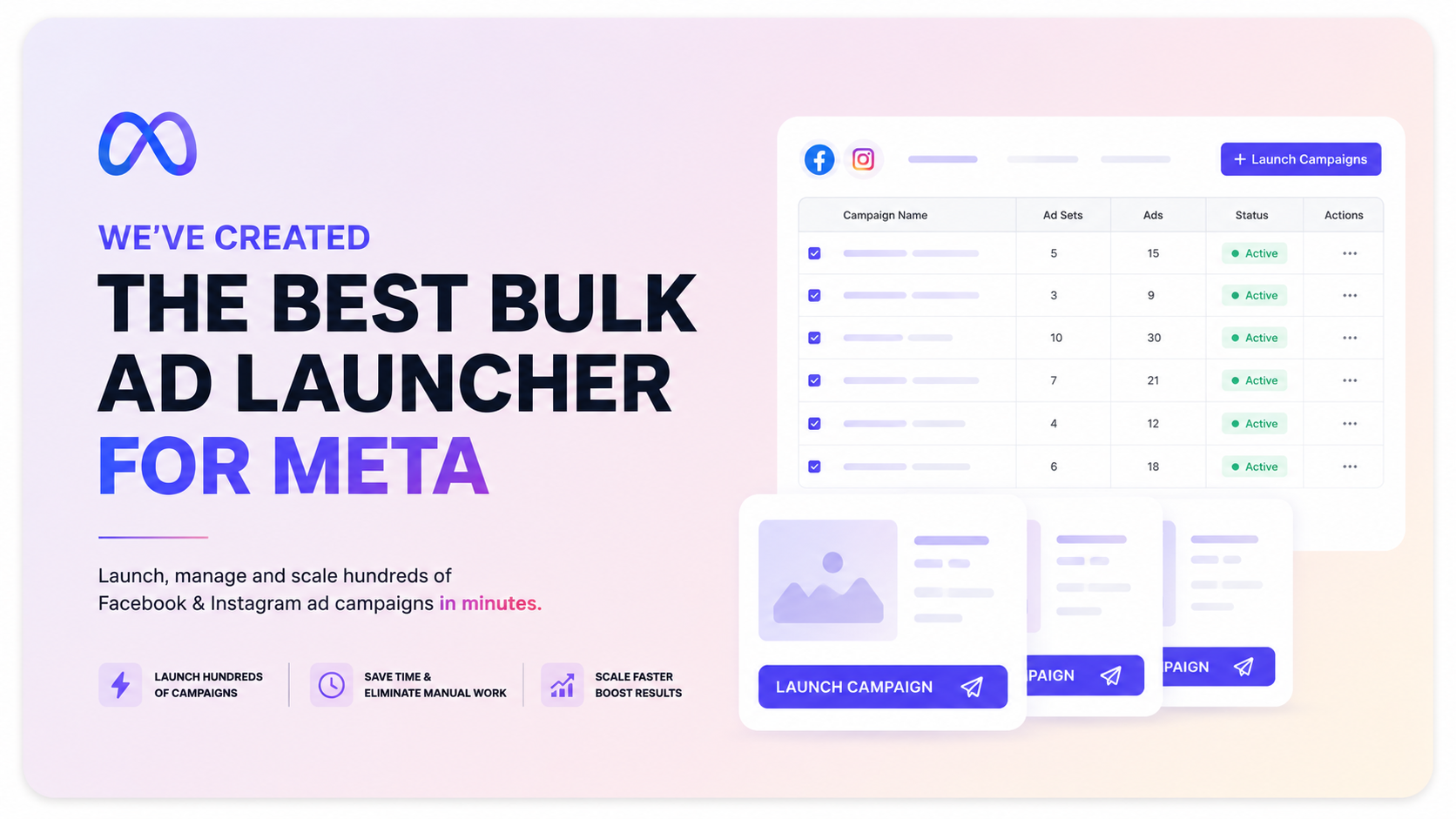
1. Launching campaigns fast. TheOptimizer's Campaign Launcher lets you build campaigns from saved templates, upload creatives to an organized library with tags, and deploy dozens of campaigns across multiple ad accounts and fan pages in minutes. What takes 6 to 8 hours in Ads Manager takes under an hour.
2. Managing campaigns 24/7. After launch, automation rules take over. Stop-loss rules pause ad sets that spend without converting (every 10 minutes). Budget scaling rules grow winners at the right pace. Creative fatigue rules detect declining performance before CPA spikes. Cloning rules duplicate winners for horizontal scaling.
For lead gen specifically, TheOptimizer also integrates with trackers like ClickFlare, Voluum, RedTrack, and Binom. This means your automation rules can use confirmed lead value from your tracker instead of Meta's estimated conversions. If Meta says you generated 50 leads but your tracker confirms only 35 qualified ones, your rules should be acting on 35.
In our case study, I launched 89 campaigns with 630 ads in under 60 minutes. For lead gen, where you need to test multiple angles, offers, and funnels simultaneously, this launch speed is the difference between testing 10 creatives per week and testing 50.
Call Tracking: Ringba and Retreaver
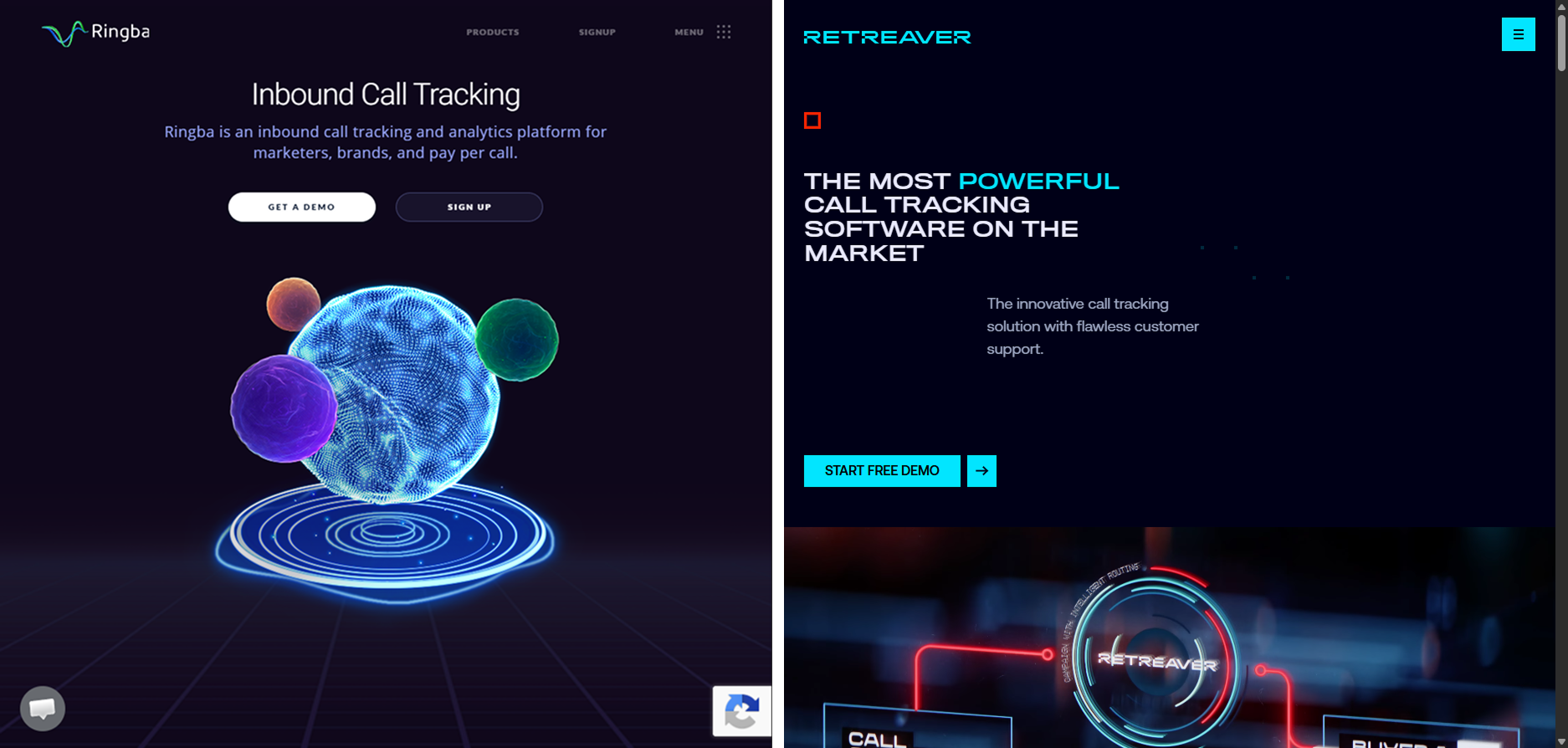
For verticals like insurance, legal, home services, and financial services, inbound phone calls are the conversion event. A lead gen campaign that drives calls needs a way to track which ad, which campaign, and which keyword generated each call.
Ringba and Retreaver both provide dynamic number insertion, call routing, real-time analytics, and integration with traffic sources and CRMs.
Ringba is widely used in the pay-per-call space. It assigns unique phone numbers to each traffic source or campaign, routes calls based on IVR menus and caller data (location, time of day), and provides real-time reporting on call duration, connection rate, and revenue. The platform also supports call recording and transcription for quality assurance.
Retreaver takes a similar approach with a focus on enterprise-grade call attribution. It tags each caller with the source that generated the call, routes calls to buyers based on predefined rules, and provides conversion data back to your traffic sources for optimization.
Both platforms support postback URLs, which means you can send call conversion data back to ClickFlare and from there to TheOptimizer for automated optimization based on actual call outcomes.
When to use which: Ringba is generally more popular with solo buyers and small teams in the pay-per-call space. Retreaver tends to be favored by larger operations and agencies that need more complex routing logic. Both work well. Pick based on your specific routing needs and pricing preferences.
Lead Validation and Distribution: Lead Prosper and LeadsPedia
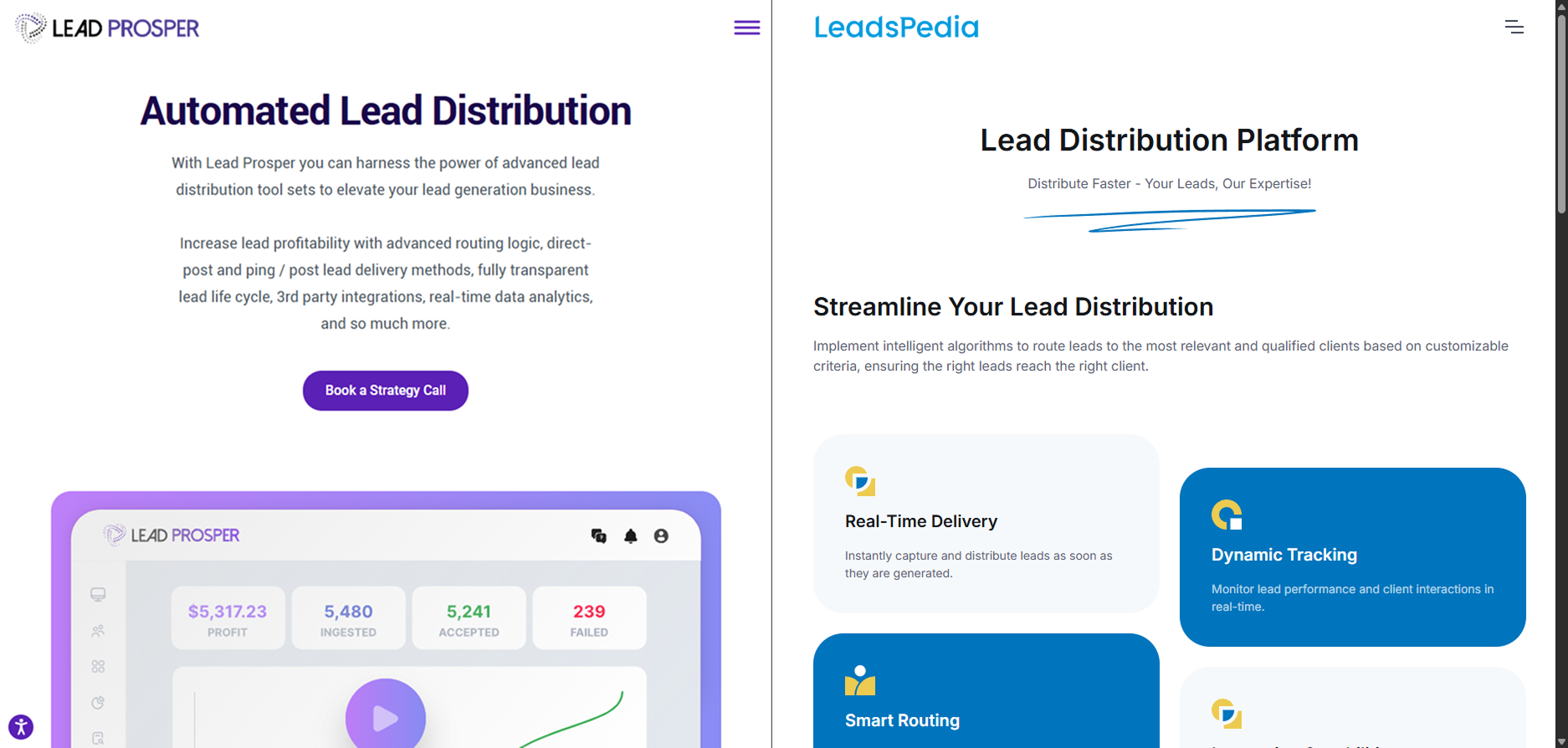
Not every form submission is a real lead. Bots, duplicates, incomplete entries, and people who entered fake information all contaminate your data and reduce your lead value.
Lead Prosper validates leads in real-time as they come in. It checks for valid phone numbers, email deliverability, duplicate entries, and custom validation rules you define (minimum age, specific zip codes, etc.). Leads that pass validation get distributed to your buyers or CRM. Leads that fail get flagged or rejected before they cost you money.
LeadsPedia serves a similar function with more emphasis on lead distribution. It's a full lead management platform that handles capture, validation, distribution, and reporting. If you're selling leads to multiple buyers (common in insurance, legal, and home services), LeadsPedia's ping-post system lets you sell each lead to the highest bidder in real-time.
Why this matters for profitability: If 20% of your leads are junk (bots, duplicates, fake info), your effective CPL is 25% higher than what Meta reports. Validating leads before distribution means you only pay for and deliver quality leads, which keeps your buyers happy and your contracts intact.
Email Marketing: ActiveCampaign and GetResponse
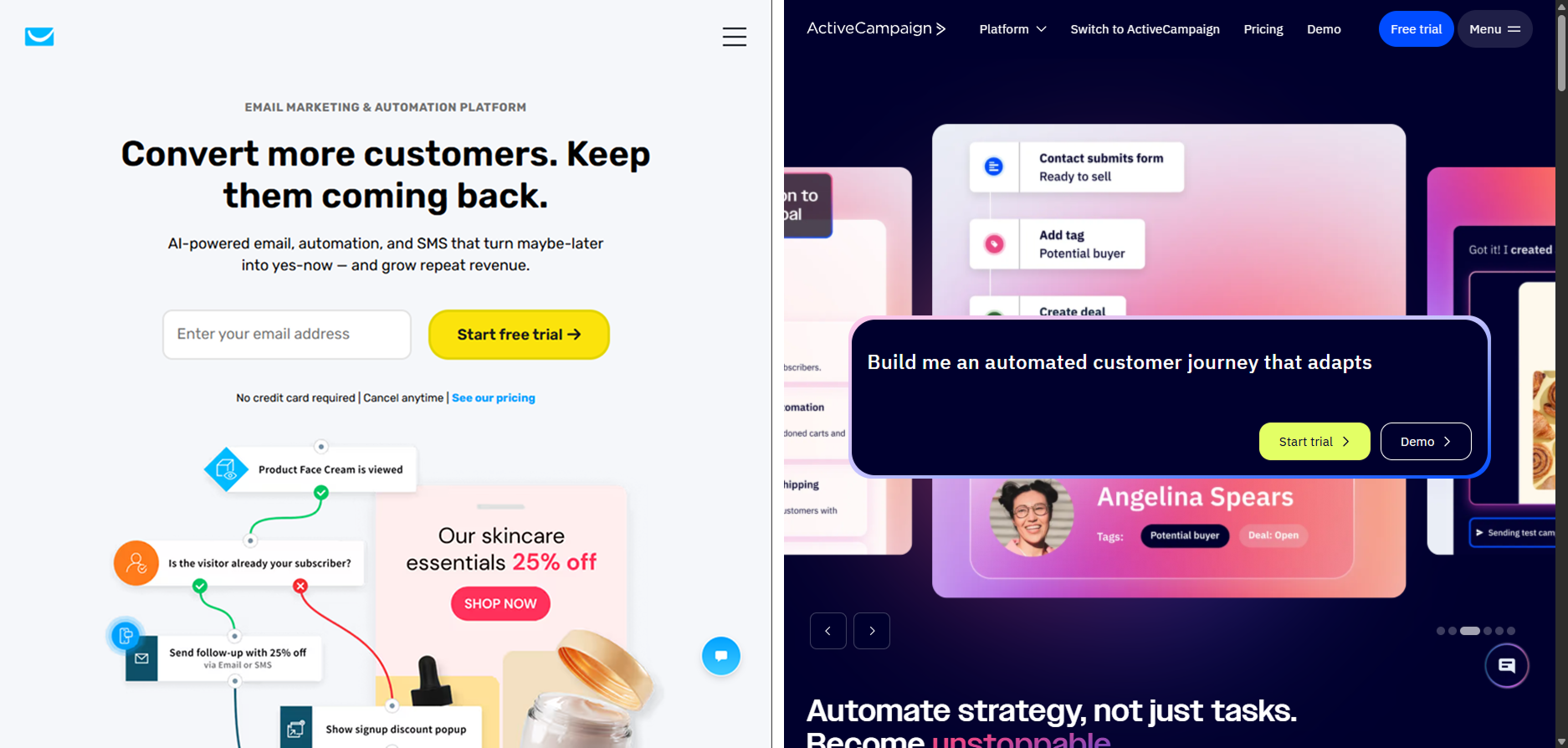
Every lead you capture should enter an email nurture sequence. Even if the primary monetization is through calls or direct sales, email follow-up captures the leads who weren't ready to act immediately.
ActiveCampaign is the more powerful option with deep automation capabilities, CRM integration, lead scoring, and conditional workflows. You can build sequences that send different emails based on which form fields the lead filled out, which page they visited, or how they engaged with previous emails.
GetResponse offers a simpler, more affordable entry point with a clean interface, good deliverability, and built-in landing page builder (though I'd still recommend Landerlab for serious lead gen funnels). GetResponse also includes webinar hosting, which can be useful for certain lead gen verticals like education and coaching.
The lead gen email play: Capture the lead through your funnel. Send an immediate confirmation email. Follow up with a 5 to 7 email sequence over the next 2 weeks. Each email provides value while nudging toward the conversion action (scheduling a call, requesting a quote, signing up for a trial). The leads that don't convert through the initial flow often convert through the email sequence weeks later.
SMS: Twilio
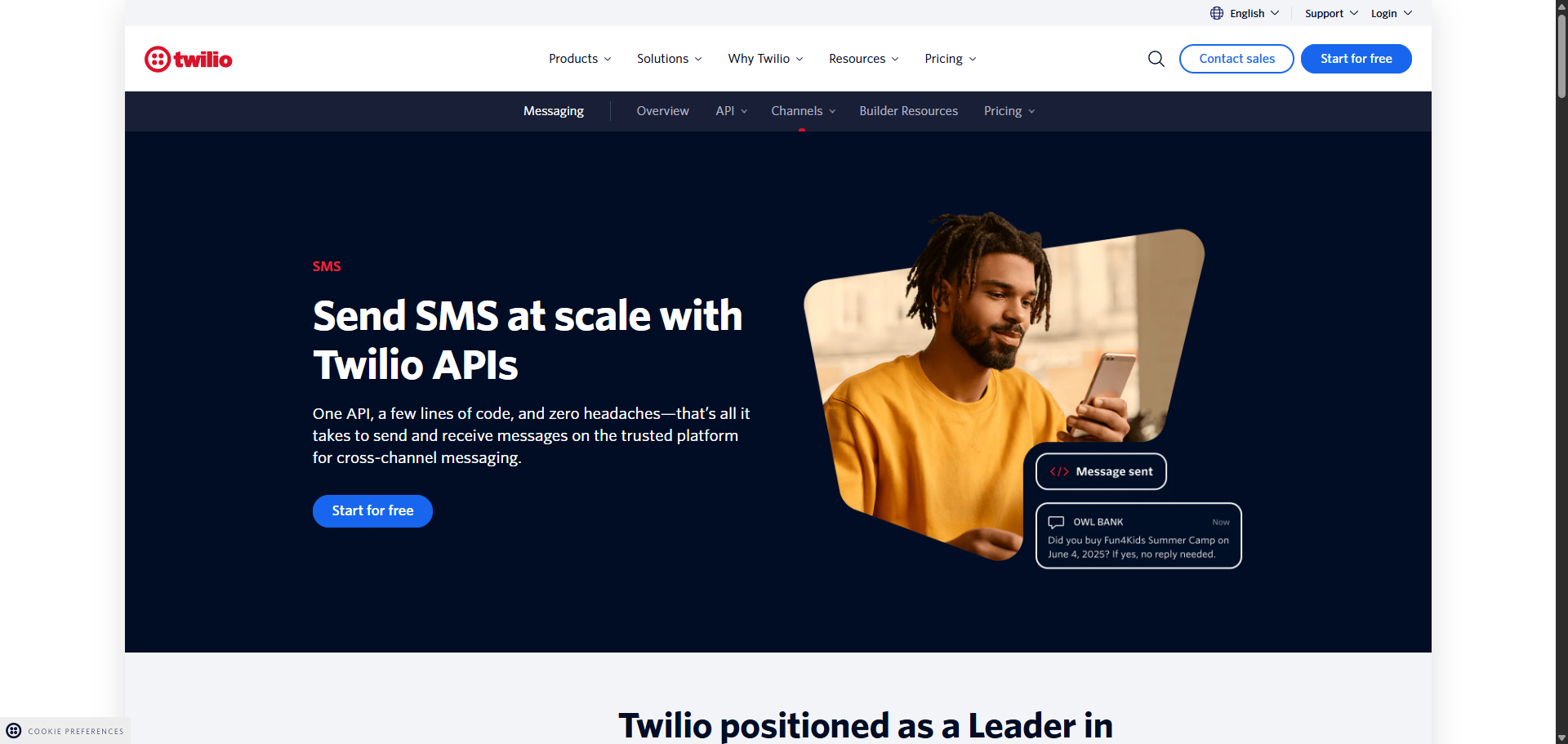
Email open rates have been declining for years. SMS open rates sit above 90%. For lead gen verticals where speed-to-contact matters (insurance quotes, legal consultations, home service appointments), an automated SMS within 60 seconds of form submission can dramatically increase contact rates.
Twilio is the infrastructure layer that makes this possible. It provides programmable SMS, voice, and messaging APIs that connect to your lead capture system. When a lead fills out your form, Twilio can automatically send a personalized text within seconds: "Hey [Name], thanks for requesting a quote. A specialist will call you within 5 minutes."
You don't need to be a developer to use Twilio for basic SMS automation. Platforms like Zapier, Make, and most modern CRMs integrate with Twilio natively. Set up the trigger (new lead captured), define the message template, and Twilio handles delivery.
The impact on lead gen:Studies consistently show that leads contacted within 5 minutes are 21x more likely to convert than leads contacted after 30 minutes. An automated SMS + a fast callback creates the kind of responsiveness that converts fence-sitters into customers.
Creative Production: ChatGPT, Higgsfield AI, and ElevenLabs
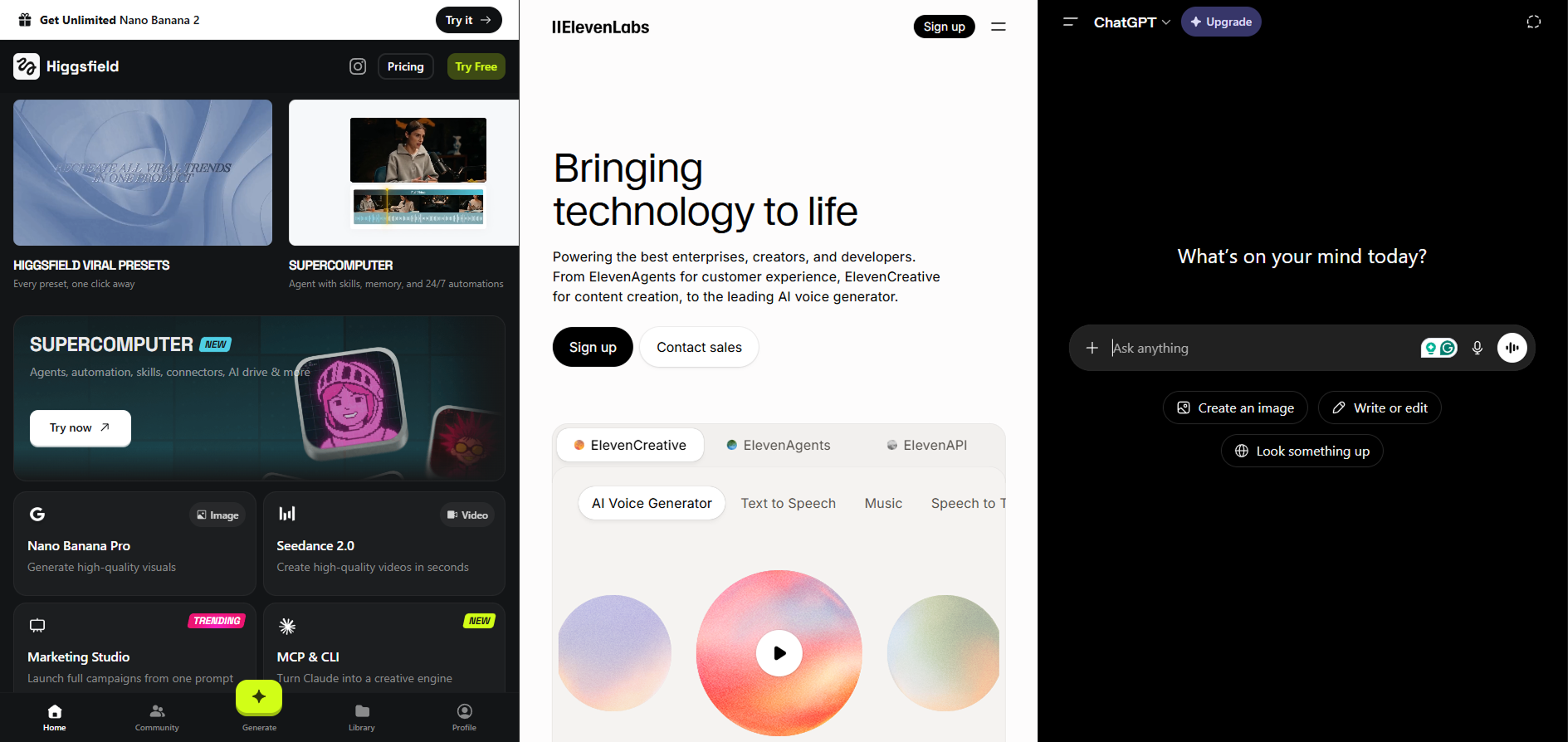
Creative production used to be the bottleneck for solo lead gen buyers. You needed a designer for images, a videographer for ads, and a copywriter for the landing pages. Now, AI handles all three at a fraction of the cost and time.
ChatGPT is the workhorse for ad copy, landing page text, email sequences, and creative ideation. Feed it your offer details, target audience, and a few examples of what's working, and it generates dozens of headline variations, ad copy options, and angle ideas in minutes. It also generates images through DALL-E, useful for static ad creatives when you need volume fast.
For a framework on generating diverse creative angles (which matters more than ever under Andromeda), see our guide on creating 10 different angles for the same offer.
Higgsfield AI is the tool I've been using for video ad creation. It generates high-quality video content and images that look professional enough for paid advertising. For lead gen, short video ads (15 to 30 seconds) consistently outperform static images on Meta, and Higgsfield makes it possible to produce them without a camera, actors, or editing software.
ElevenLabs handles AI voice overs. Upload a script, choose a voice (or clone your own), and get a natural-sounding voice over in minutes. For video ads that need narration, explainer-style lead gen videos, or even IVR phone system greetings, ElevenLabs saves you from hiring voice talent for every creative variation.The creative production workflow:
- Use ChatGPT to generate 10 ad copy variations across different angles
- Use Higgsfield to create video versions of the top 3 to 5 angles
- Use ElevenLabs to add voice-overs to the videos
- Upload everything to TheOptimizer's Creative Library, tag by angle
- Launch across campaigns using saved templates
- Let automation rules manage performance post-launch
That workflow produces 15 to 20 genuinely different creative assets in a single afternoon. A couple of years ago, that would have taken a team a full week.
Putting It All Together
Here's how all 14 tools connect into a working system:
Research phase: Meta Ad Library + Adplexity to find winning angles and funnel structures in your vertical.
Creative phase: ChatGPT for copy and static images. Higgsfield for video ads. ElevenLabs for voice overs.
Build phase: Landerlab for multi-step lead capture funnels. ClickFlare for tracking setup and Conversions API integration.
Launch phase: TheOptimizer to deploy campaigns in bulk across multiple ad accounts from saved templates.
Management phase: TheOptimizer automation rules for stop-loss, budget scaling, fatigue detection, and tracker-based optimization. Running 24/7 across every campaign.
Conversion phase: Ringba or Retreaver for call tracking and routing. Lead Prosper or LeadsPedia for lead validation and distribution to the lead buyers directly from Landerlab.
Follow-up phase: ActiveCampaign or GetResponse for email nurture sequences. Twilio for automated SMS.
Traffic source: Meta Ads as the primary traffic engine powering everything above.
The real takeaway isn't any individual tool. It's that the combination of these tools lets one person or a small team do what used to require a department. The tools handle the mechanical work: launching, tracking, optimizing, validating, following up. Your job is the strategic work: choosing the right offers, building conversion flows that qualify well, and testing creatives consistently.
And that last point is worth repeating. Tools don't fix bad offers or lazy creative testing. The most profitable lead gen campaigns I've seen share three things in common: they leverage the tools above to operate efficiently, their conversion flows are tight (every step in the funnel is tested and optimized), and they test creatives relentlessly, not once a month, but every week. The tools make that volume of testing possible. You still have to do the testing.
For the specific automation rules I use for managing lead gen campaigns at scale, check our 8 automation rules for scaling Meta Ads safely.
FAQ
How much does this full stack cost per month?
It varies based on your ad spend and volume, but a realistic estimate for a solopreneur or small team: Meta Ads (variable), ClickFlare ($79 to $299/mo), Landerlab ($49 to $99/mo), TheOptimizer ($199+/mo), call tracking ($50 to $200/mo), email platform ($30 to $150/mo), Twilio (pay per message, typically $50 to $200/mo), Adplexity ($149 to $249/mo), AI creative tools ($40 to $100/mo). Total tooling cost (excluding ad spend): roughly $1,500+/month. That replaces the cost of 3 to 5 full-time team members.
Do I need all 14 tools from day one?
No. Start with the core: Meta Ads for traffic, ClickFlare for tracking, Landerlab for funnels, and ChatGPT for creative. Add TheOptimizer once you're managing more than 10 campaigns. Add call tracking, lead validation, and email once your volume justifies it.
Can I use Google Ads instead of Meta Ads for lead gen?
Yes. Google Ads works well for lead gen, especially search campaigns targeting high-intent keywords. Many lead gen buyers run both Meta and Google simultaneously. TheOptimizer supports Google Ads too, so your automation rules work across both from the same dashboard.
What's the most important tool in this stack?
Your tracker (ClickFlare). Without accurate conversion data, every other optimization decision is guesswork. Get tracking right first. Everything else builds on top of it.
How many campaigns should I be testing per week?
At a minimum, test 3 to 5 new creative variations per week alongside your proven winners. With TheOptimizer's Campaign Launcher, you can launch all of these in under 30 minutes. The more angles and funnels you test, the faster you find winners.
Is lead generation still profitable in 2026?
Very much so. CPLs have risen, but so have lead values in verticals like insurance, legal, solar, and home services. The buyers who struggled were the ones relying on manual processes that couldn't keep up. The ones who built efficient systems using tools like these are scaling faster than ever.